
Seasons
Torres del Paine in Winter: What Is Open From June to August
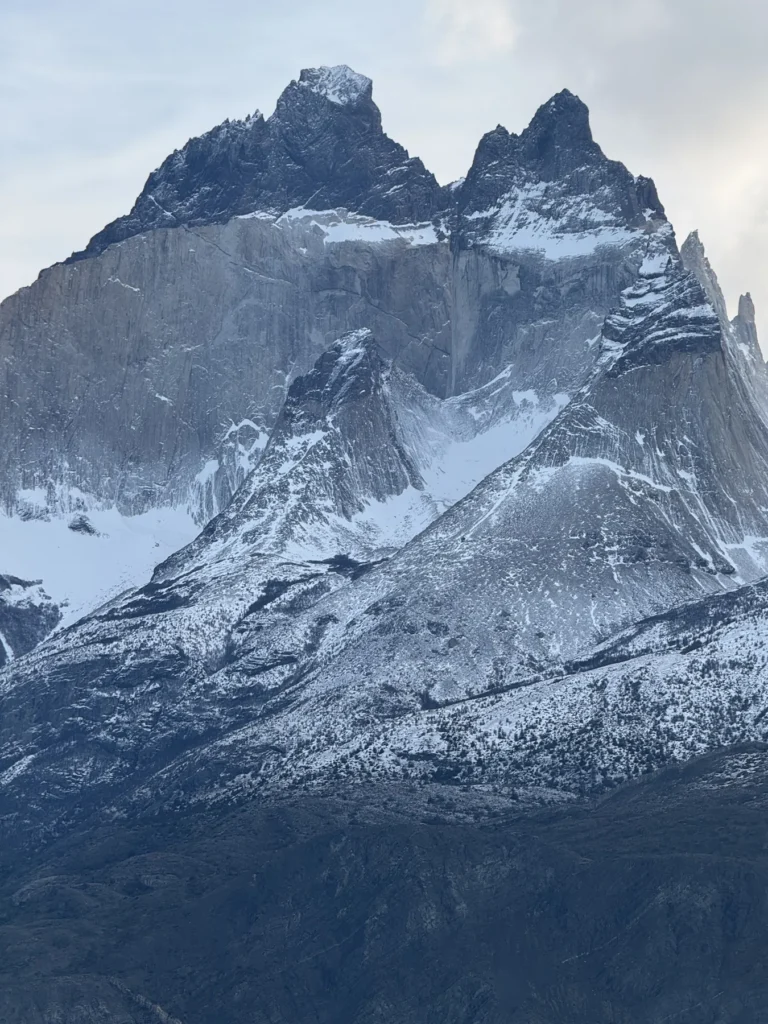
Winter in Torres del Paine runs from June to August. The days are shorter, visitor numbers are much lower, and snow or ice can affect trails and roads. This is usually a better season for road-based exploration, wildlife observation and short walks than for completing the classic trekking circuits.
We operate from Puerto Natales throughout the year. Here is what winter can offer, what normally closes, and what you need to check before planning your trip.
Quick answer
Yes, Torres del Paine National Park remains open in winter, but that does not mean every trail, hotel, navigation or estancia operates every day.
Road-based visits, viewpoints and selected short walks may remain available, depending on road conditions. Base Torres and sections of the W may require a certified guide or specific winter equipment, while the O Circuit closes during the winter period.
Opening dates and trekking requirements can change during the season. Always check the latest CONAF notice and confirm each service before traveling.
What runs and what does not
Typical winter conditions. Services and trail regulations may change by month and year.
| Winter (June to August) | Trekking season (October to April) | |
|---|---|---|
| Park | Open year-round. Individual roads and trails remain subject to conditions. | Open year-round. |
| Road-based visits: viewpoints, lakes, Grey shore | Usually available, subject to road conditions. | Yes |
| Milodón Cave and estancias | Availability varies by site and operator. Confirm before traveling. | Yes |
| Base Torres day hike | Winter rules, equipment requirements and guide regulations may apply. | Yes |
| W Trek | Access varies by month, services and CONAF regulations. It was closed in June and July 2026. | Yes, guided or self-guided |
| O Circuit | Closed during winter. In 2026, it remains closed through October 31. | November to March |
| Daylight | Around 7 hours 47 minutes near the June solstice, increasing through July and August. | 13 to 17 hours |
| Wind | Often lighter than during peak summer, although strong wind remains possible. | Strongest November to February |
| Visitor numbers | Considerably lower than during the summer high season. | Many, December to February |
Why some travelers prefer winter
- The light. The sun stays low all day and the massif is white. Near the June solstice the sun rises close to 10:00 and sets around 17:45, so you can be at a viewpoint for sunrise without a night start.
- The animals. Lower visitor numbers and more open terrain can create good wildlife viewing opportunities. Winter can be a rewarding season for puma tracking with a specialist guide, although sightings are never guaranteed.
- The silence. Viewpoints are considerably quieter than during the summer high season.
- Calmer air. Summer is the windy season in Patagonia. Winter days are cold, but often still.
- Prices and availability. Some hotels and programs offer lower-season rates, while others close or reduce their schedules.
What winter is not
It is not a trekking trip. Most camps and several refugios close, and the trails can have snow and ice. Mountain trails may require a certified guide, winter equipment or registration with park authorities. Requirements can change during the season, so confirm the current CONAF regulations before setting out. It is cold: daytime highs of a few degrees above zero and nights below it. Roads inside the park can carry snow, so days are planned with margin and vehicles prepared for it. And the Magdalena Island penguins are gone: they nest from November to March.
The trip that works in winter
A hotel-based trip from Puerto Natales is usually the most practical way to experience the region in winter. Depending on confirmed operator schedules and conditions, the itinerary can combine Torres del Paine by road, short walks, an estancia visit, Milodón Cave and the boat trip toward the Balmaceda and Serrano glaciers. That is our Patagonia Relax Experience, which runs all year. If you want one real hike, the Torres del Paine Classic Tour adds Base Torres with a guide when conditions allow. And for the Strait of Magellan and the city, Punta Arenas and the Magellan Strait.
What to wear
Layers, as in summer, but warmer: a thermal base layer, a fleece, an insulated jacket and a waterproof shell; waterproof boots, gloves, a hat, and sunglasses for the snow. Days can be sunny and still, and they can turn. Read what to pack for Torres del Paine and add the warm layer.
Frequently asked questions
Is Torres del Paine open in winter?
Yes, the park stays open all year. Roads, viewpoints and selected short walks are usually available, subject to conditions. Individual services such as the Milodón Cave, estancias and boat trips follow their own winter schedules, so each one has to be confirmed. The O Circuit closes during the winter period.
Can you do the W Trek in winter?
It depends on the month and on the rules in force that season. In 2026 the W Trek was closed during June and July, reopened in August under winter regulations, and the guide requirement was lifted on September 16. Few refugios stay open, and requirements can change during the season. If the W is your goal, travel between October and April, and always check the current CONAF notice.
What is the weather like in Torres del Paine in winter?
Cold and often calm. Daytime highs a few degrees above zero, nights below zero, snow on the massif and sometimes on the roads. The wind, which is the summer weather, is usually lighter in winter. Conditions change fast in any season.
Is winter a good time to see pumas?
Winter can be a rewarding season for puma tracking with a specialist guide: guanacos come down to the valleys and the pumas follow them. Sightings are never guaranteed. Ask us if you want a puma day added to your trip.
How many hours of daylight are there?
Around 7 hours 47 minutes near the June solstice in Puerto Natales, with sunrise close to 10:00 and sunset around 17:45. Daylight increases through July and August, passing ten hours by late August.
Is it cheaper to travel in winter?
Some services cost less in the low season and are easier to book, while others close or reduce their schedules, so a winter trip is not automatically cheaper. Flights to Punta Arenas run all year; the direct flights to Puerto Natales are mostly a summer service.